
Best Before Date: The Website Shelf Life
When I look back at the codebases and architecture we shipped in our first year of business, one undeniable truth stands out: software ages, whether you want it to or not.
Eamon McKiernan

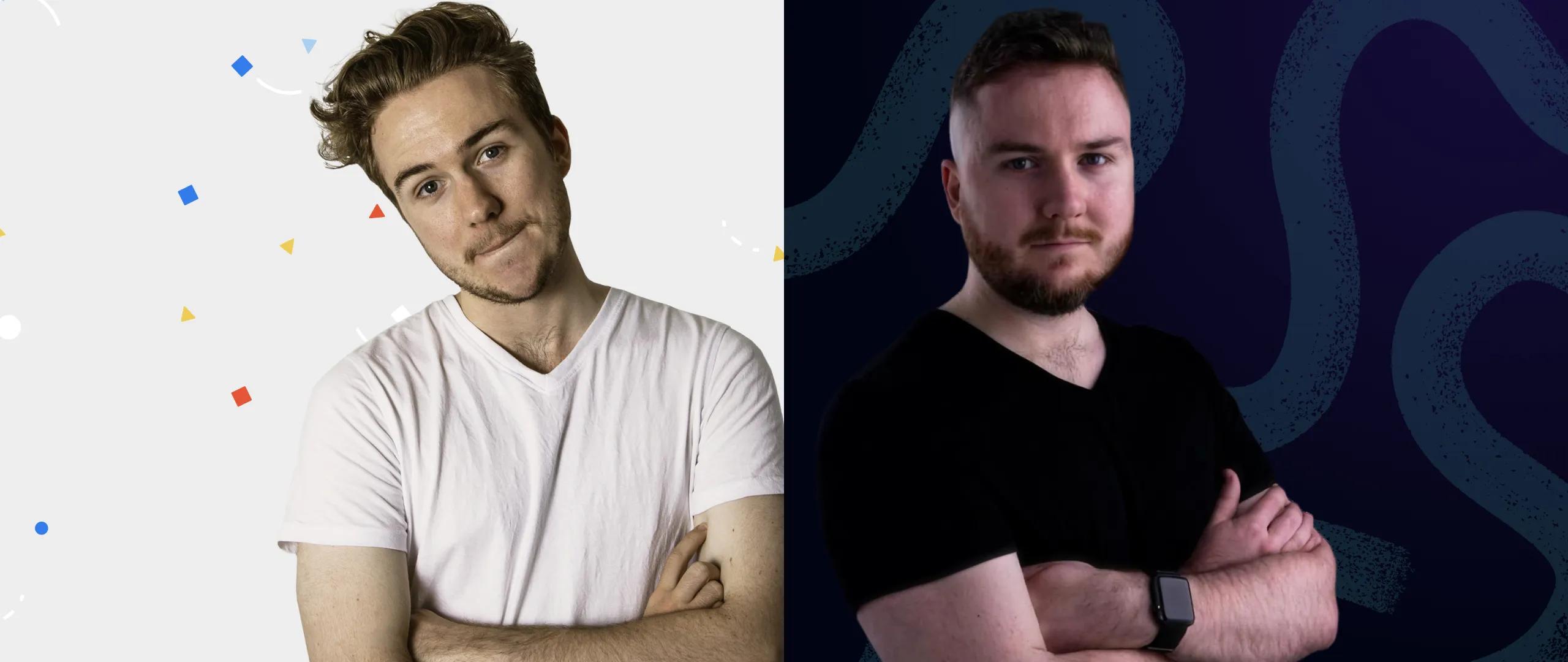
When I graduated back in 2019 and launched into the freelancing world, I thought I had web development completely figured out. I could take a custom design, turn it into a working WordPress website, and hand it off to a client.
Looking back from 2026, those early websites were functional, but they lacked the architectural discipline, performance standards, and deployment rigour required to build true, scalable digital assets.
Over the years - through my time at an award-winning creative agency and the founding of Mintyy - my approach to building for the web has undergone a complete shift. Here is an honest breakdown of how I designed and engineered websites when I first started in 2019 versus how we build high-performance digital engines at Mintyy today.
Fresh out of study in 2019, my stack of choice was classic, monolithic WordPress paired with Advanced Custom Fields (ACF).
template-about.php or template-services.php).about_hero_heading would sit in the CMS, and the PHP template file would query it using get_field().// The 2019 Approach: Hardcoded PHP Template Query
<h1><?php the_field('hero_title'); ?></h1>
<p><?php the_field('hero_subtitle'); ?></p>
While this worked well enough for small brochure sites, it was inherently rigid. If a client wanted to move a testimonial block above a hero section on a specific page, I had to rewrite the underlying PHP code. The site structure lacked modularity, content was locked into strict layout buckets, and version control/deployment was usually a manual, risky process.
Joining an award-winning creative agency changed everything. I realized that writing code was only 50% of the job—the other 50% was DevOps, deployment discipline, and code architecture.
When I launched Mintyy, I immediately brought these agency-level standards to my client builds. I stopped using standard WordPress installs and shifted to the Roots Stack:
.env files, and move folder structures out of the public web root for enhanced security.rsync across three isolated environments: Local → Staging → UAT → Production.This step bridged the gap between amateur freelancing and professional studio engineering.
While we still occasionally maintain or build Roots Bedrock environments (and leverage WooCommerce when an e-commerce build calls for it), the core engine powering Mintyy today is Headless Architecture.
Our default stack for modern, high-growth brands is Next.js paired with Sanity Studio.
The biggest takeaway from my evolution over the last seven years is that a website is an operational asset, not a graphic design project.
Back in 2019, success meant making a page match a mockup, even if the code behind it was rigid and fragile. Today at Mintyy, success means building a fast, scalable, and secure engine—one that empowers clients to manage their content effortlessly while dominating modern search environments.
If your business is still running on a website built with 2019-era monolithic architecture, you are fighting a uphill battle against slower speeds, higher maintenance costs, and lower conversion rates.

We acknowledge the Whadjuk Nyoongar people as the Traditional Owners of the lands and waters where Perth city is situated today, and pay our respect to Elders past and present.
When I look back at the codebases and architecture we shipped in our first year of business, one undeniable truth stands out: software ages, whether you want it to or not.
In 2026, malicious hackers aren't sitting at keyboards manually probing your website - they are deploying automated AI tools that scan millions of websites per minute, analysing code structures and probing for newly disclosed vulnerabilities the moment a security patch is released.
On paper, pairing Cloudflare with Next.js and a modern Headless CMS sounds like the ultimate agency stack: blazing-fast edge performance, ironclad security, and total flexibility. Recently we have been playing around with this theory, here are our findings.